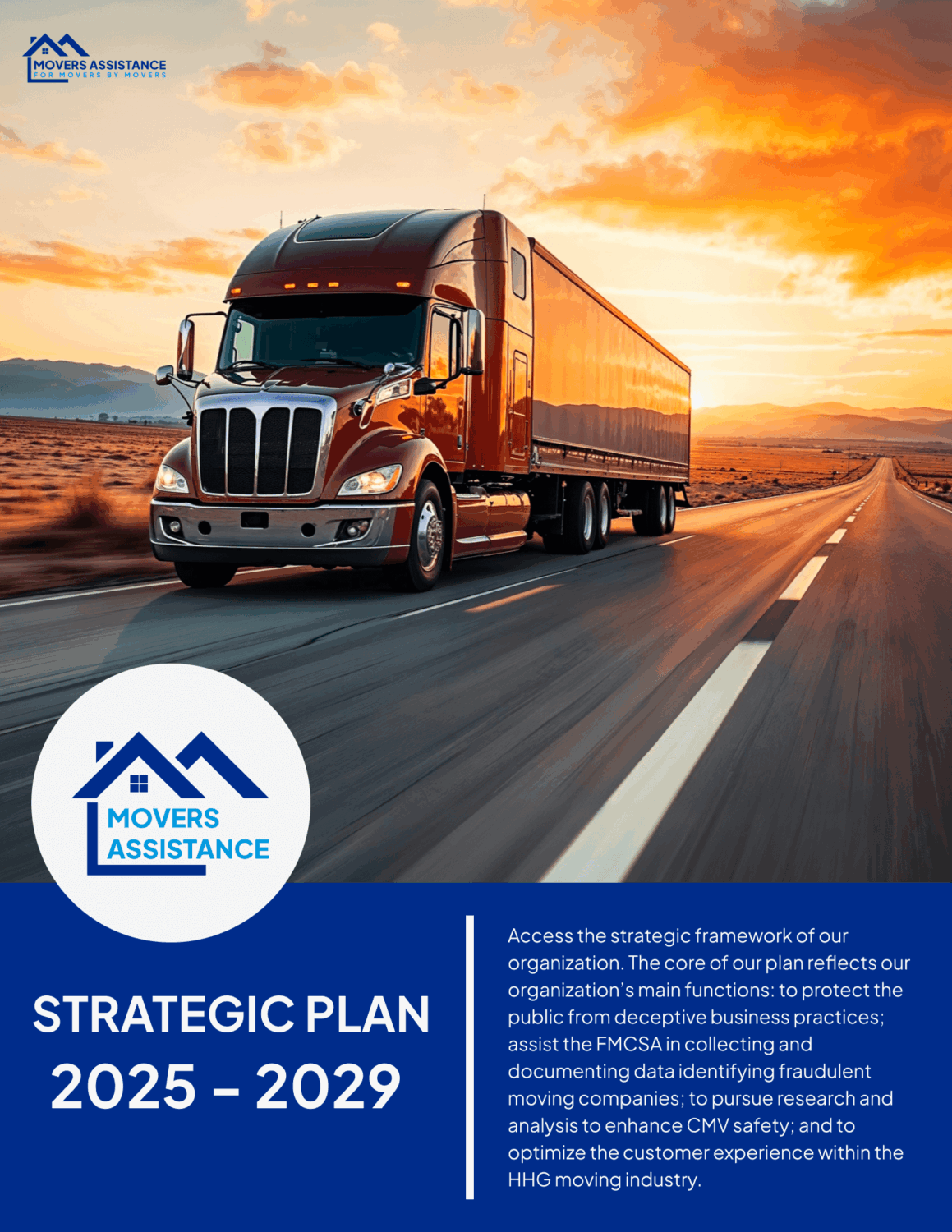
A moving company website has to do more than look professional. It needs to quickly communicate what the business offers, establish trust, answer customer questions, and make requesting a moving quote simple. This is why moving company landing page design is an important part of digital marketing for relocation businesses.
People searching for movers are often comparing several companies before making a decision. A well-planned landing page can help a moving company stand out by presenting relevant information in a clear and easy-to-use format. Current landing-page guidance emphasizes message matching, a clear call to action, mobile usability, trust signals, and a focused conversion path.
For businesses working with Moversassistance.com, the goal should be to create landing pages that support both search visibility and customer conversion.
Why Moving Company Landing Page Design Matters
A landing page is usually created around a specific service, location, audience, or marketing campaign. Unlike a general homepage, it can focus on one customer intention.
For example, a moving business could create dedicated landing pages for:
- Local moving services
- Long-distance moving
- Commercial relocation
- Residential moving
- Packing and unpacking
- Office moving
- Furniture moving
- Moving services in specific cities
This structure helps visitors immediately understand whether the company provides the service they need. It can also support SEO by creating pages aligned with specific search queries rather than placing every service on one generic page.
Create a Clear Above-the-Fold Section
The first section of a landing page is extremely important. Visitors should not have to scroll through multiple sections to understand the business.
An effective hero section should include:
- A specific headline
- A short supporting statement
- A prominent quote or booking button
- A visible phone number
- A relevant image or visual
- A trust element where appropriate
Instead of using a vague headline such as “Professional Moving Solutions,” a more specific headline could explain the service and location immediately.
The objective is simple: visitors should quickly know what you do, where you operate, and what action they should take next.
Make Quote Requests Simple
One of the most important principles of moving company landing page design is reducing friction.
Moving customers commonly want an estimate before committing. If the quote form is complicated or asks for unnecessary information, visitors may abandon it.
A simple form can request information such as:
- Name
- Phone number
- Email address
- Moving location
- Destination
- Preferred moving date
The exact fields should depend on the company’s sales process. A phone or click-to-call option should also be easy to find, particularly for visitors using smartphones.
Research and industry guidance consistently emphasize short forms, visible contact options, and a straightforward conversion path for moving websites.
Build Trust With E-E-A-T Signals
Moving customers are trusting a company with valuable possessions, furniture, documents, and personal belongings. Trust therefore needs to be visible throughout the landing page.
Strong trust signals can include:
- Genuine customer reviews
- Testimonials
- Real team photographs
- Moving truck photographs
- Years of industry experience
- Licensing information where applicable
- Insurance information
- Service guarantees, when genuinely offered
- Clear business contact information
- Links to relevant business profiles
Avoid creating claims that cannot be verified. Authentic information supports the Experience, Expertise, Authoritativeness, and Trustworthiness principles associated with E-E-A-T.
Real photographs can also make a page feel more credible than generic stock photography. Moving-industry website guidance recommends authentic job and team imagery as an important trust-building element.
Design for Mobile Users
Many people research moving services from smartphones. Therefore, mobile-first design should be a priority rather than an afterthought.
A mobile-friendly landing page should have:
- Responsive layouts
- Easy-to-read text
- Large, tappable buttons
- Click-to-call functionality
- Short forms
- Compressed images
- Fast loading times
- Simple navigation
A page can have excellent content but still lose potential customers if it is difficult to use on a phone. Fast performance and mobile usability are important for both user experience and conversion opportunities.
Use SEO-Friendly Landing Page Structure
Good moving company landing page design should work alongside on-page SEO.
Each landing page should have a clear primary keyword and search intent. Use the target phrase naturally in the title, H1, introduction, relevant headings, and supporting content without keyword stuffing.
For local moving businesses, location-specific pages can also target searches connected with individual cities or service areas. However, each page should provide genuinely useful and unique information instead of simply replacing a city name across identical templates.
Useful elements include:
- Descriptive title tags
- Unique meta descriptions
- One clear H1
- Logical H2 headings
- Descriptive image alt text
- Internal links
- Local service information
- Relevant FAQs
- Clear contact information
This creates a better foundation for search engines and users alike.
Add FAQs to Remove Customer Concerns
FAQs can address questions before a visitor contacts the company. Common questions include:
- How much does a moving service cost?
- Do movers provide packing services?
- How far in advance should I book?
- Do you handle long-distance moves?
- Are moving services insured?
- What items cannot be transported?
Answers should be accurate and based on the company’s actual policies. FAQ content can improve usability by addressing common objections and helping customers make informed decisions.
How Moversassistance.com Can Support Better Landing Pages
Moversassistance.com can be positioned around practical digital marketing strategies for moving businesses, including landing-page planning, SEO-focused content, and conversion-oriented website improvements.
The most effective approach is not simply creating an attractive page. It is creating a page that connects search intent, useful information, trust, usability, and a clear conversion action.
When these elements work together, a landing page becomes more than an online brochure. It becomes an important part of a moving company’s lead-generation strategy.
Conclusion
Effective moving company landing page design combines professional presentation with clear messaging, trustworthy information, strong SEO foundations, mobile usability, and an easy quote-request process. Every section should have a purpose and help visitors move closer to contacting the business.
For moving companies competing in local and competitive search markets, a focused landing page can provide a stronger customer experience while supporting broader SEO and digital marketing efforts. Moversassistance.com can help businesses approach landing-page strategy with the goal of attracting relevant visitors and turning genuine interest into qualified moving enquiries.
FAQs
1. What is moving company landing page design?
Moving company landing page design involves creating a focused webpage for a moving service, location, or marketing campaign. Its purpose is to provide relevant information and encourage visitors to request a quote or contact the business.
2. What should a moving company landing page include?
It should generally include a clear headline, service information, quote form, phone number, trust signals, customer reviews, FAQs, service areas, and strong calls to action.
3. Why is mobile design important for moving companies?
Customers frequently search for local services using smartphones. Mobile-friendly pages make it easier for visitors to read information, call the company, complete forms, and request estimates.
4. Can landing pages help moving companies with SEO?
Yes. Dedicated, useful landing pages can target specific services, locations, and search intents. Each page should contain original, valuable information rather than duplicated content.
5. How can a moving landing page generate more leads?
A clear value proposition, visible contact details, simple quote forms, authentic reviews, relevant service information, and repeated calls to action can reduce friction and encourage qualified visitors to enquire.